
Why I Do This Work
James Crosson, Founder and CEO of Advocate Support Services, reflects on the experiences, relationships, and purpose behind his commitment to psychiatric rehabilitation, the people providing care, and building better systems for behavioral health services.
The Connection Between Social Isolation and Mental Health: Why Community Engagement Matters in Recovery

Explore the connection between social isolation and mental health and how community-based support can help adults rebuild connection and confidence.
After Psychiatric Hospitalization: Why the Transition Back to Everyday Life Matters

Learn how mental health support after hospitalization can help adults rebuild routines, strengthen skills, and continue recovery at home.
From Support to Independence: How Psychiatric Rehabilitation Helps Adults Take Back Everyday Life

Learn how psychiatric rehabilitation helps adults build practical skills, confidence, and greater independence in everyday life.
Knowing What to Do Isn’t Always Enough: How Mental Health Skill Building Supports Recovery

Learn how mental health skill building helps adults turn treatment goals into daily habits, greater independence, and long-term recovery.
When Someone Seems Stable but Is Still Struggling: Understanding the Need for Ongoing Mental Health Support

Learn why someone may appear stable while still struggling and how ongoing mental health support can strengthen daily functioning and independence.
Why Consistent Support Changes Outcomes in Mental Health Recovery
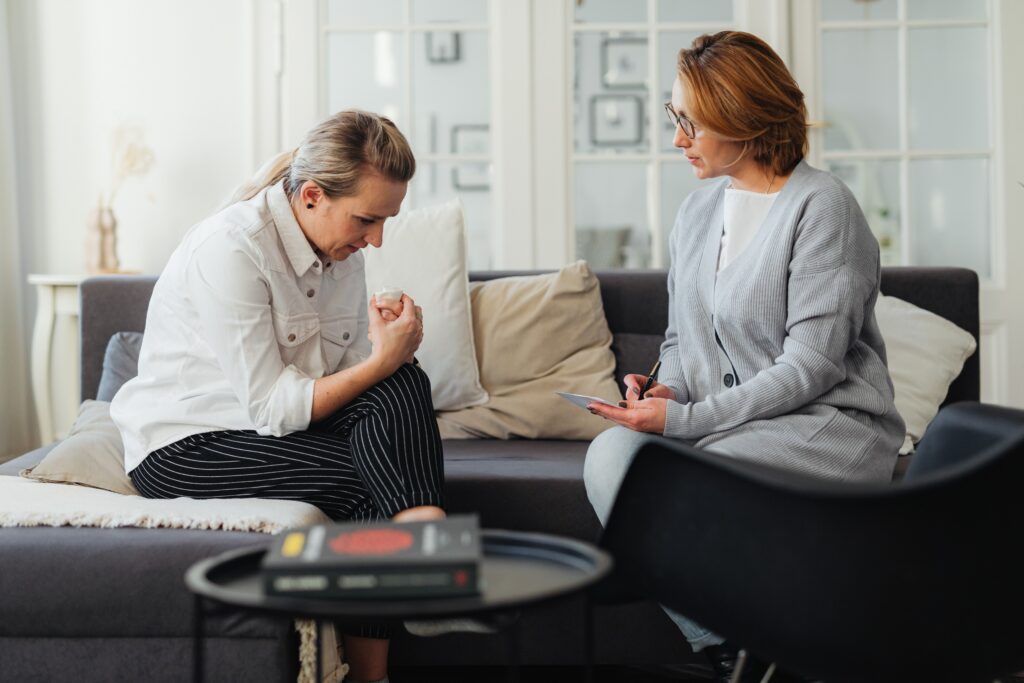
Learn how consistent community-based mental health support helps prevent setbacks, strengthen daily routines, and improve long-term recovery outcomes.
Why Strong Referral Partnerships Lead to Better Mental Health Outcomes

Learn why strong behavioral health referral partnerships improve continuity of care, strengthen recovery, and help individuals achieve greater independence.
Recovery Happens Between Appointments: Why Community-Based Care Is Essential to Lasting Mental Health Recovery

Learn how community-based mental health care and Psychiatric Rehabilitation Programs (PRP) help individuals apply clinical skills to everyday life and build lasting recovery.
When Is It Time to Refer to PRP? Recognizing When Outpatient Care Needs Additional Community-Based Support
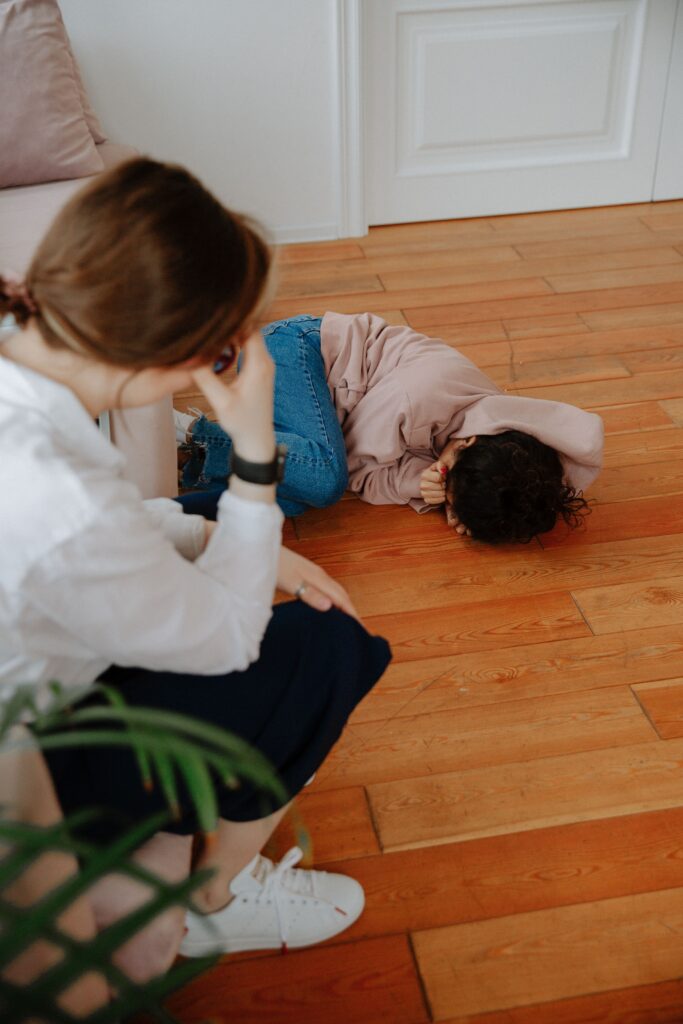
Learn when to refer a client to a Psychiatric Rehabilitation Program (PRP) and how community-based support complements outpatient mental health treatment.